Sourcing guide
Brass vs Stainless Steel vs Zinc Faucets: Choosing the Body Material
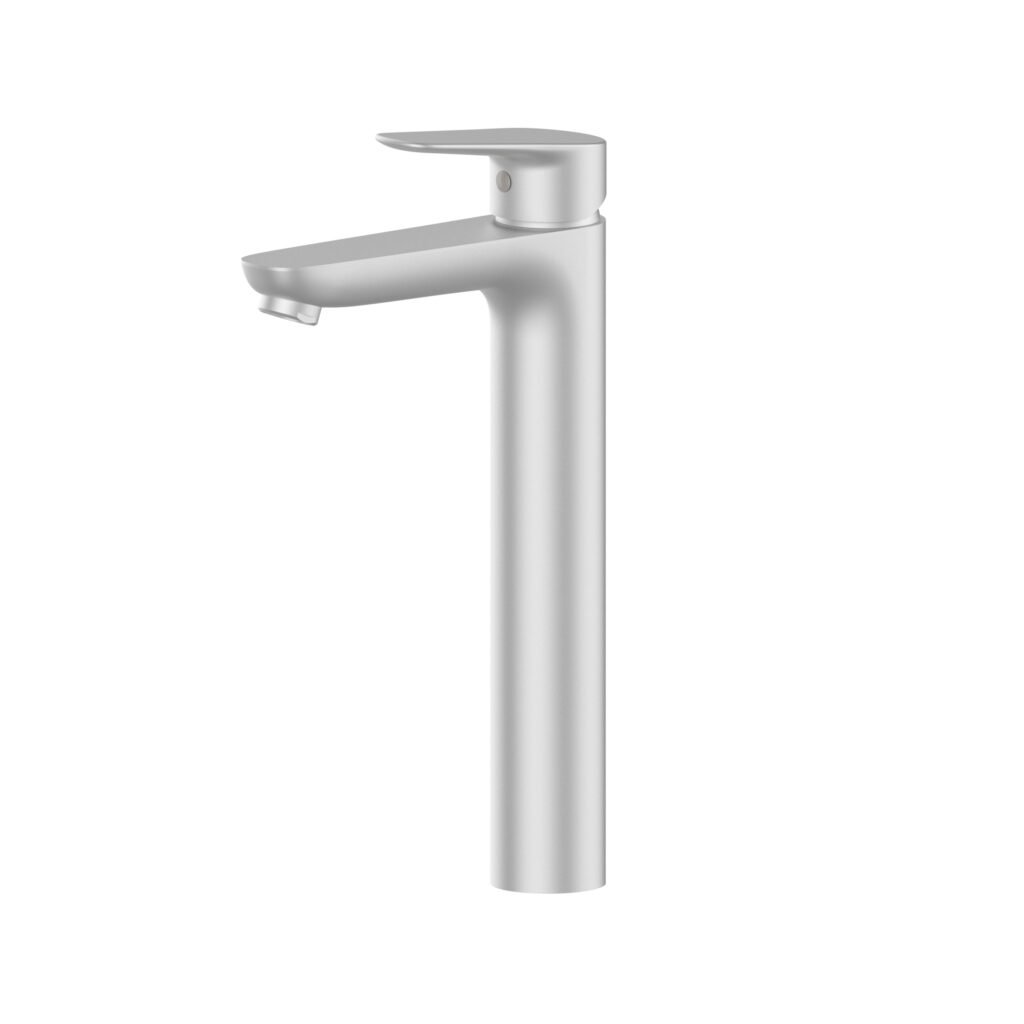
Two faucets can look identical in a catalogue photo and on a showroom shelf, yet one is cast brass and the other is zinc alloy with a plated surface. The difference shows up later: in the weight of the box, in how the finish holds up, and in whether the faucet still works without leaking after a few years. For an importer, body material is one of the main reasons why two “similar” quotations can be far apart in price.
This guide compares the three body materials you will meet most often – brass, stainless steel and zinc alloy – explains where each one makes sense, and shows how to check what you are actually buying.
Quick comparison
| Material | How bodies are made | Strengths | Watch out for |
|---|---|---|---|
| Brass | Gravity or low-pressure casting, hot forging, machining from bar | Durable, easy to machine accurate threads and seats, takes plating and PVD well | Lead content of the alloy; dezincification in aggressive water |
| Stainless steel | Formed and welded tube, investment casting, machining | Naturally lead-free, corrosion resistant, suits brushed finishes | Grade and wall thickness; weld quality; fewer shapes are practical |
| Zinc alloy | High-pressure die casting | Low cost, detailed shapes, fast production | Corrodes in constant contact with water; plating can blister; lower strength |
Brass: the standard for faucet bodies
Brass is an alloy of copper and zinc, and it remains the most common material for faucet bodies worldwide. It is strong, it can be cast or forged into complex shapes, and it machines cleanly, which matters for the threads, cartridge seats and sealing surfaces that decide whether a faucet leaks. It is also a good base for chrome plating and for PVD colours.
Not all brass is the same, and two points are worth asking about:
- Lead content. Traditional brass alloys contain a small amount of lead to make machining easier. Several markets now limit lead in products that carry drinking water – in the United States, wetted surfaces are limited to a weighted average of 0.25% lead. Lead-free alloys, typically using silicon or bismuth instead of lead, meet these limits but cost more and are machined differently. If your market requires lead-free, say so in the RFQ: it changes the alloy, not just the paperwork.
- Dezincification. In some water supplies, zinc can leach out of high-zinc brass and leave a weak, porous copper structure. Dezincification-resistant (DZR) brass is specified in markets where this is a known problem, such as parts of Europe and Australia.
Forged brass is denser and less prone to porosity than cast brass and is often used for simpler bodies; cast brass allows more complex and hollow shapes. Both are acceptable when the process is well controlled. The more important questions are which alloy is used and whether the bodies are pressure-tested.
Stainless steel: lead-free by nature
Stainless steel faucets, usually in grade 304, contain no lead at all, which makes them attractive for markets with strict drinking-water rules and for buyers who want a simple material story. Stainless steel resists corrosion well and suits brushed and PVD finishes, so it is common in kitchen faucets and in modern, slim designs.
Stainless steel is harder to machine and cast than brass, so many stainless bodies are made from tube that is bent, formed and welded, while others are made by investment casting. When you compare stainless steel faucets, ask about:
- the grade – 304 is typical; 201 has lower corrosion resistance, as explained in the guide to 304 vs 201 stainless steel;
- the wall thickness of tube-formed bodies, which affects strength and how the faucet feels in use;
- the quality of welds and whether they are cleaned and passivated;
- which internal parts are still brass or plastic, such as the cartridge housing and connectors.
Zinc alloy: where it belongs and where it does not
Zinc alloys are die-cast at high speed into detailed shapes at a low cost. They are widely and reasonably used for parts that do not carry water, such as handles, levers, escutcheons and decorative covers.
Problems start when zinc alloy is used for the body itself and is in direct contact with water. Zinc corrodes over time in these conditions, and it is weaker than brass, which can lead to cracked bodies and stripped threads. Plating on zinc also needs careful preparation; when it is done poorly, the finish can blister or peel. Some low-cost faucets use a zinc outer body with a separate inner waterway made of brass, copper or plastic. That design can be acceptable at the right price point, but it should be stated clearly in the quotation rather than discovered later.
Zinc alloy on handles and decorative parts is normal. Zinc alloy on the waterway is a cost decision you should make knowingly, not one made for you.
How to check what you are buying
- Weight. Zinc alloy is lighter than brass, so a zinc-bodied faucet is usually noticeably lighter than a brass faucet of the same size. Weigh the approved sample and record the weight in the specification; then compare production units during pre-shipment inspection.
- Look underneath the finish. On a sample you can damage, file or scratch a hidden area. Brass shows a yellow metal, zinc alloy a grey-white metal, stainless steel a bright silver.
- Do not rely on a magnet. Brass and zinc alloy are not magnetic, and 304 stainless steel is largely non-magnetic, so a magnet does not separate them.
- XRF analysis. A handheld XRF analyser identifies the alloy, including its lead content, in seconds. Many inspection companies can provide one.
- Material reports. Ask for the material composition report for the alloy, and for lead-free products, the test report used for certification.
Which material for which project?
- Distributors and projects that expect long service life: brass bodies, lead-free where the market requires it.
- Kitchen faucets, modern slim designs and markets focused on lead: 304 stainless steel is a strong option.
- Price-driven retail ranges: zinc alloy may appear on the body; make sure you know which parts are zinc and what carries the water, and price your warranty accordingly.
What to put in your specification
- body material and alloy, and whether a lead-free or DZR alloy is required;
- waterway material, if different from the body;
- parts where zinc alloy is acceptable, such as handles and escutcheons;
- the weight of the approved sample, with an agreed tolerance;
- the material reports and test reports to be supplied.
Material choices also affect the finish you can use – see chrome plating, PVD and powder coating – and the certification you need, covered in the certification by market reference. For DACHENG faucets and shower systems, body material is confirmed model by model with the quotation, so state your material and lead-free requirements when you send an inquiry.