Sourcing guide
Faucet Pre-Shipment Inspection: An AQL Checklist for Importers
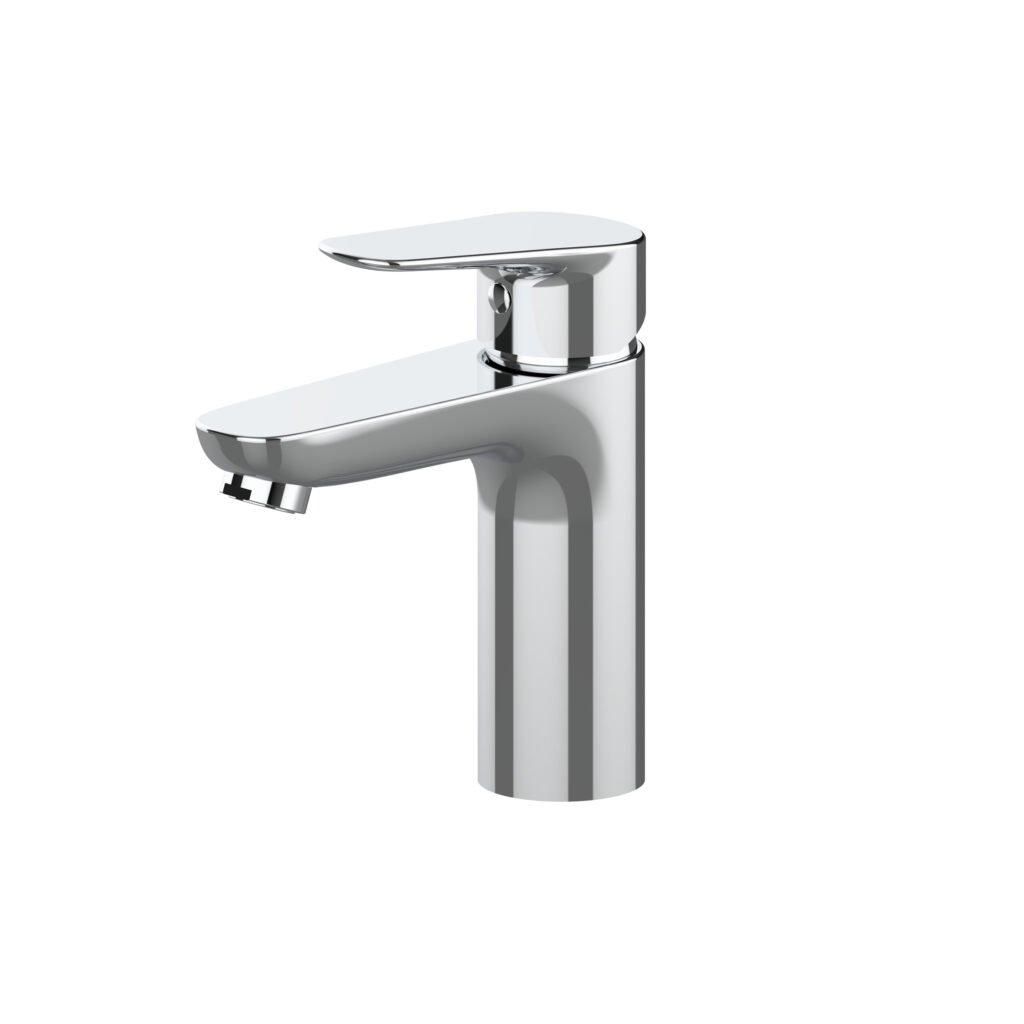
A pre-shipment inspection is the last point at which a problem in a faucet order can be fixed cheaply. Once the container has left, a batch of leaking cartridges or mismatched finishes turns into returns, replacement shipments and unhappy customers. An independent inspection usually costs a small fraction of the order value, and it works best when the inspector knows exactly what to check.
This guide explains how a pre-shipment inspection works for faucets and showers and gives a checklist you can hand to your inspector.
When to inspect
A final random inspection is normally scheduled when production is complete and at least 80% of the goods are packed, so that the inspector can draw samples from finished cartons. For a first order or a new model, consider adding a during-production inspection when around a fifth to a third of the units are finished: it catches finish and assembly problems while they can still be corrected on the remaining production.
Agree the inspection in the purchase contract, including who pays for a re-inspection if the goods fail.
How AQL sampling works
Inspectors do not check every unit. They draw a random sample from the lot and accept or reject the lot according to the number of defects found, using the sampling tables in ISO 2859-1 (equivalent to ANSI/ASQ Z1.4). Most consumer-product inspections use general inspection level II and classify defects into three groups:
- Critical – unsafe or illegal, for example a sharp edge or a missing compliance mark. Usually zero tolerance.
- Major – likely to cause a return or failure, for example a leak, a stiff cartridge or a visible plating defect. A common limit is AQL 2.5.
- Minor – a deviation the end user may not notice or accept, for example a small mark on a hidden surface. A common limit is AQL 4.0.
Example: for a lot of 2,000 faucets at level II, the sample size is 125 units. At AQL 2.5 the lot passes with up to 7 major defects and fails at 8; at AQL 4.0 it passes with up to 10 minor defects and fails at 11. Agree the levels before production, not after the report arrives.
What to give the inspector
- the purchase order with models, finishes and quantities;
- your specification for each model, including materials, cartridge, flow rate and accessories;
- photos of the approved golden sample, and its weight;
- packaging and label artwork, barcodes and carton marks;
- a defect list explaining what counts as critical, major and minor for your products.
The checklist
1. Quantity and packing
- Total quantity per model and per finish matches the order.
- Carton count, carton marks and shipping marks are correct.
- Barcodes on the box and carton scan correctly and match the model.
- Inner packaging protects plated surfaces – bags, foam or film where agreed.
2. Appearance and finish
- No pits, bubbles, peeling, scratches, haze or polishing marks on visible surfaces, checked under good light at a normal viewing distance.
- Colour matches the approved sample, and all parts of one product – body, handle, escutcheon – match each other.
- For mixed orders in one colour, basin, kitchen and shower products match each other.
- Logo or engraving is correct, straight and complete.
3. Function
- Water test on the sample units at a specified pressure: no leaks from the body, spout, connections or under the handle.
- Handle moves smoothly through its full range, with no excessive stiffness or play, and stays in position.
- Hot and cold are on the correct sides.
- Diverters switch fully between outlets; pull-out sprays retract properly.
- Thermostatic mixers hold temperature and the safety stop works.
- Flow rate measured on a few units where your market sets a limit.
4. Dimensions and weight
- Key dimensions – height, spout reach, hole size, connection threads – match the drawing.
- Weight of the units is close to the golden sample. A noticeably lighter faucet often means a thinner casting or a different alloy.
5. Contents and documentation
- Every box contains the agreed accessories: hoses, fixing kit, aerator, pop-up waste, valve body or wall connectors.
- Installation instructions and care card are included in the correct languages.
- Required compliance marks and labels are present on the product and packaging.
6. On-site tests
- Carton drop test on a packed carton, followed by a check of the contents.
- Tape adhesion test on the finish of a sample unit, where agreed.
- Hose and connector thread check with a gauge or a matching fitting.
After the report
A good inspection report includes photos of every defect, the sample size, and the pass or fail result for each category. If the lot fails, the usual options are sorting and rework at the factory followed by a re-inspection, or – for minor issues – accepting the goods with an agreed concession. Keep the reports: over several orders they show which defects keep returning and what to address with the supplier.
A clear specification is the basis of every inspection. If you are preparing an order, see how to write a faucet RFQ and how to specify faucet finishes. When ordering from DACHENG, inspection requirements and third-party inspection arrangements can be agreed in the order – mention them when you request a quotation.