Sourcing guide
Faucet MOQ, Sampling and Lead Times When Ordering from China
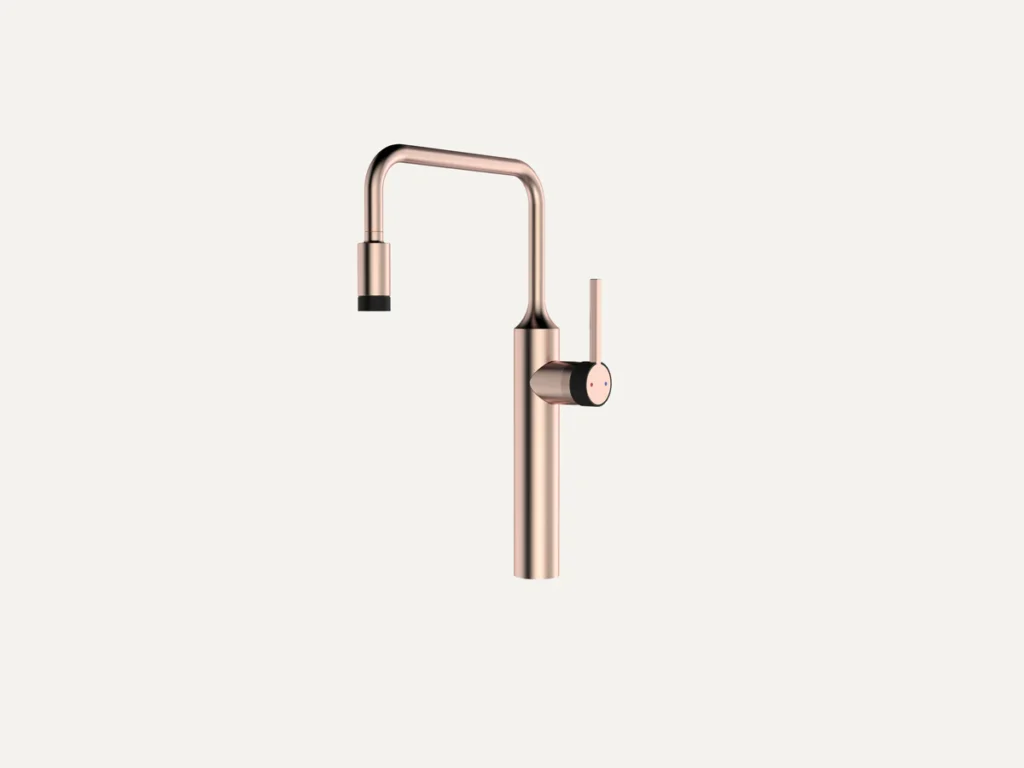
The first questions most importers ask a faucet factory are about price. The questions that decide whether an order arrives on time and as expected are about minimum order quantities, samples and lead times. Misunderstandings here are common: a buyer expects a custom colour in the same time as a stock finish, or assumes a logo can be added to ten pieces, or plans a product launch around a production time that did not include sampling.
This guide explains how MOQs, sampling and lead times usually work for faucets and shower systems made in China, what changes them, and how to plan a first order. The figures given are typical ranges, not fixed rules; every factory and model is different.
What drives a faucet MOQ
A minimum order quantity reflects the fixed cost of setting up production for a model, finish or customisation. The main drivers are:
- Casting and machining. Bodies are cast or forged and machined in batches. Very small batches cost more per piece.
- Finishing. Chrome plating runs continuously and handles small quantities easily. PVD colours such as brushed gold, rose gold and gunmetal are processed in chamber loads, so a single colour often has its own minimum.
- Customisation. Logos, custom handles, special spout lengths and private-label packaging each add set-up work and sometimes tooling.
- Components. Special cartridges, hoses or aerators may have minimums from the component supplier.
Typical MOQ situations
| Order type | How MOQ usually works |
|---|---|
| Existing model, standard chrome | Lowest MOQ; mixed models can often be combined in one order |
| Existing model, PVD colour | MOQ per colour, because of batch processing |
| Logo by laser marking | Low additional MOQ; marking is done after finishing |
| Logo cast or engraved into the body or handle | Higher MOQ; may need a mould change or tooling cost |
| Private-label colour boxes | Printed carton minimums apply; plain export boxes with labels avoid this |
| New design or modified body | Tooling cost and the highest MOQ; longest development time |
A practical first order often combines several existing models in standard finishes, with a laser logo and labelled export cartons. Custom colours and printed boxes can follow once the range has proved itself.
Sampling
Samples confirm what the production order will look like. There are usually three kinds:
- Stock samples of existing models in available finishes, which can often be sent within days.
- Pre-production samples made with your finish, logo and packaging, which take longer because they go through finishing and marking.
- Development samples for modified or new designs, which can take several weeks or more, especially if tooling is involved.
Sample cost and express shipping are usually charged, and some factories credit the sample cost against the first order. Keep one approved sample – sealed and signed if possible – as the reference for inspection. The pre-shipment inspection checklist explains how it is used.
Lead time: what it includes
When a supplier quotes a lead time, ask exactly what it covers. A complete timeline usually has these stages:
- Specification and quotation – agreeing models, finishes, certification and packaging.
- Sampling and approval – making, sending and approving samples.
- Deposit and materials – production usually starts after the deposit, and materials such as brass, cartridges and cartons are ordered.
- Production – casting, machining, polishing, finishing, assembly and testing. For standard faucets, around 30–45 days after deposit and sample approval is a common range, longer for PVD colours, custom parts and large orders.
- Inspection and loading – pre-shipment inspection, any rework, and container booking.
- Sea freight and clearance – transit time to the destination port plus customs clearance.
Factory holidays also matter. Production in China slows down significantly around the Lunar New Year, when many workers travel home for several weeks. Orders placed in the months before the holiday should allow extra time.
What makes lead times longer
- changes to the specification after the deposit;
- slow sample approval;
- certification testing that must finish before shipment – see the certification by market reference;
- custom cartons and printed instructions;
- failed inspections and rework.
Planning a first order
- Shortlist models from existing ranges, rather than developing new ones.
- Choose finishes based on what your market sells most; add colours where the volume supports the MOQ.
- Ask for MOQ per model and per finish, the sample cost and the production time in writing with the quotation.
- Agree payment terms and the inspection plan before production starts.
- Build a timeline backwards from the date the goods are needed in your warehouse.
A clear request makes all of this faster – the faucet RFQ guide includes a template, and the guide to sourcing faucets from China covers supplier selection. For DACHENG faucets, shower systems and stainless steel vanities, MOQ, sampling and production time are confirmed model by model with the quotation; mixed-model first orders can be discussed when you send an inquiry.