Sourcing guide
Faucet Cartridges: Types, Sizes and What to Specify
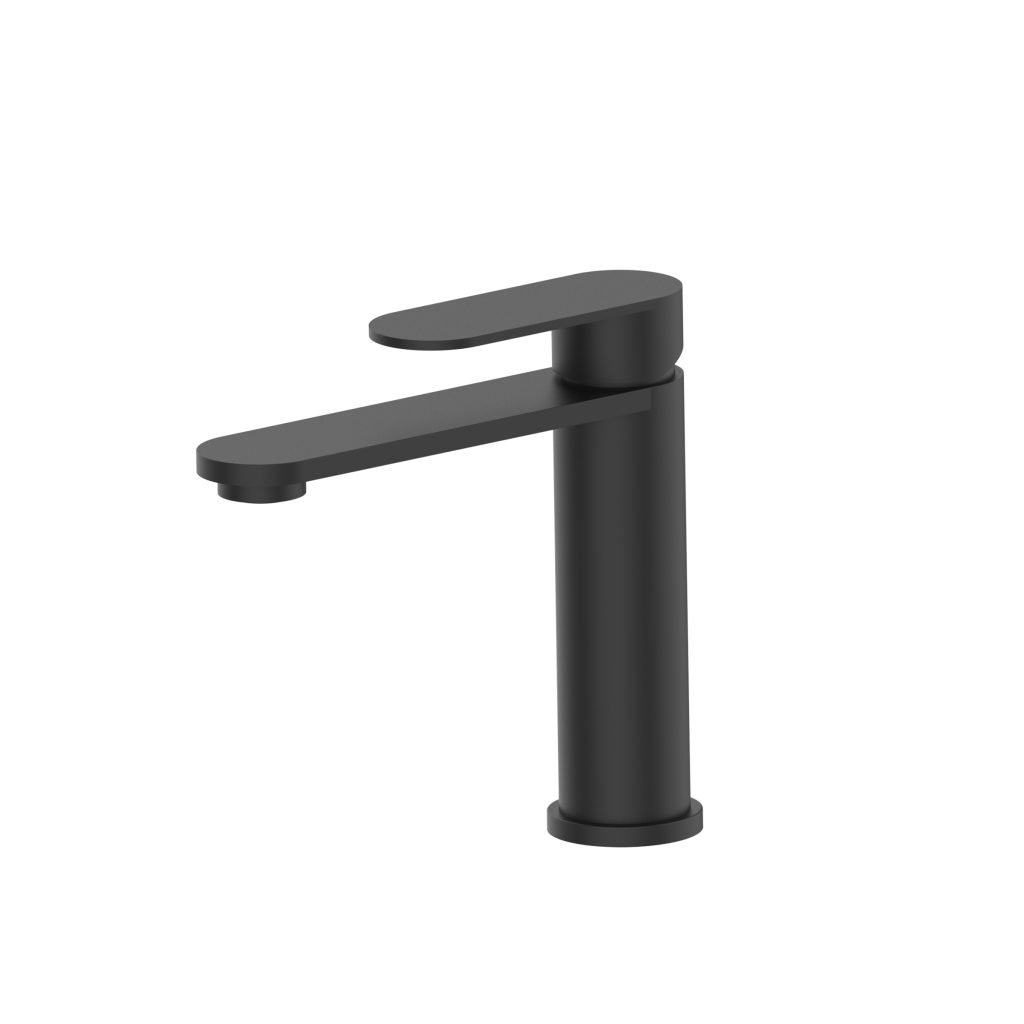
The cartridge is the part of a faucet that the user actually operates. It mixes hot and cold water, controls the flow and shuts the water off, thousands of times a year. When a faucet starts dripping, feels stiff or loses its smooth movement, the cartridge is usually the cause. It is also one of the easiest places for cost to be taken out of a faucet without any visible change to the outside.
This guide explains the main cartridge types, what the common sizes mean, how cartridge quality differs, and what to write in a specification so that the cartridge in production matches the one in the approved sample.
Main cartridge types
| Type | Used in | How it works |
|---|---|---|
| Single-lever ceramic disc mixing cartridge | Single-handle basin, kitchen and bath mixers; manual shower mixers | Two ceramic discs slide over each other; lifting the lever controls flow, turning it controls temperature |
| Quarter-turn ceramic headwork | Two-handle faucets, separate hot and cold valves, stop valves | A pair of ceramic discs opens fully in a 90° or 180° turn |
| Progressive cartridge | Compact faucets and some shower mixers | One rotating movement goes from off, through cold, to hot; flow is not adjusted separately |
| Thermostatic cartridge | Thermostatic shower and bath mixers | A wax element expands and contracts to hold the outlet temperature steady when supply pressure or temperature changes |
| Diverter cartridge | Shower systems with two or more outlets | Switches water between outlets such as overhead shower, hand shower and spout |
Single-lever ceramic disc cartridges
Almost every single-handle mixer sold today uses a ceramic disc cartridge. Inside are two discs, normally made of aluminium oxide ceramic, lapped so flat that they seal against each other without a rubber washer. One disc is fixed and the other moves with the lever. Because nothing wears like a washer does, a good ceramic cartridge can work smoothly for many years.
The size quoted for a cartridge is its outside diameter. The common sizes are:
- 40 mm – a long-established size with high flow and robust construction, often found in kitchen mixers and larger basin mixers;
- 35 mm – the most widely used size in modern single-lever basin and kitchen mixers, balancing flow and body size;
- 25–28 mm – used in slim and minimalist designs where the body is too narrow for a 35 mm cartridge; flow is lower and the lever travel is shorter.
Size alone does not say much about quality. Two 35 mm cartridges can differ in disc quality, grease, seals, housing material and the accuracy of the lever stop. What size does decide is the body design and the spare part that will be needed in five years’ time, which is why it belongs in the specification.
Variants worth knowing
- With or without distributor base. Some cartridges have a separate base that directs water into the body; the cartridge and base must match the body casting.
- High or low lever. The height of the stem changes where the handle sits and how the faucet looks.
- Cold-start or eco cartridges. In the middle position the lever delivers cold water only, so hot water is not drawn every time the faucet is opened. Some markets and green building schemes favour this.
- Flow-limiting or two-stage cartridges. The lever stops at a reduced flow, and the user lifts past a click point for full flow. This helps meet water-efficiency requirements without changing the aerator.
- Temperature limiters. An adjustable stop restricts how far the lever turns towards hot, which is useful in hotels, hospitals and public buildings.
Thermostatic cartridges
A thermostatic cartridge contains a wax element that reacts to temperature and moves a piston to balance hot and cold water. If someone flushes a toilet or the hot supply changes temperature, the cartridge adjusts in a fraction of a second, so the user does not get a sudden cold or hot shot. Most have a safety button at around 38 °C that has to be pressed to go hotter. As explained in the guide to concealed vs exposed shower mixers, thermostatic mixers are a strong choice for hotels and family homes.
Thermostatic cartridges need a minimum difference between hot and cold supply temperatures to work properly. Where the cold water itself can become warm – for example from tanks exposed to summer heat – ask the supplier for the operating range and test the sample under realistic conditions.
How cartridge quality differs
- Disc quality. Disc flatness and surface finish decide whether the cartridge seals and how smooth it feels. Poor discs can leak or feel gritty.
- Grease. Food-grade silicone grease gives the smooth, damped movement buyers associate with a quality faucet. Cheap grease washes out and the lever becomes stiff or loose.
- Housing and stem. Housings are usually engineering plastic, sometimes brass. Stems can be brass or plastic; a plastic stem can strip under a heavy handle.
- Seals. The O-rings and base seals must suit the water temperature and quality in the destination market.
- Cycle life. Cartridge makers test opening and closing cycles, and certification standards set their own minimum endurance tests. Ask for the test result rather than a general claim.
A cartridge that feels smooth on the sample but stiff in production is one of the most common faucet complaints. Record the cartridge brand or model on the approved sample and check it during inspection.
Branded or equivalent?
Well-known cartridge brands, mostly European, are used in many premium faucets and are recognised by distributors. Many Chinese cartridge makers also supply large volumes of good-quality cartridges to faucet factories, and some hold the same certifications. Both routes can be right. What matters is that the cartridge is named, that the same one goes into every production unit, and that spare cartridges can be supplied for service.
Checking the cartridge on samples and in production
- Operate the lever through its full range: the movement should be even, with no grit, play or sticking point.
- Check that the lever stays where it is placed and does not drop under its own weight.
- Pressure-test the closed faucet for leaks at the outlet and around the stem.
- Remove the handle on one sample and photograph the cartridge marking for the specification file.
- During pre-shipment inspection, open a sample of units to confirm the cartridge matches the approved one.
What to put in your specification
- cartridge type and size, for example 35 mm ceramic disc, or thermostatic;
- brand and model, or “equivalent approved in sample”;
- features such as cold-start, two-stage flow or temperature limiter;
- required cycle-life test result and any certification the cartridge must carry;
- the number of spare cartridges to be supplied per order.
The cartridge connects to every other decision in the faucet: the body material described in brass vs stainless steel vs zinc, the certification set out in the certification by market reference, and the RFQ template in how to write a faucet RFQ. For DACHENG faucets and shower systems, cartridge type and size are confirmed model by model with the quotation, so include your cartridge requirements when you send an inquiry.