Sourcing guide
Lead-Free Brass Faucets: Rules, Alloys and How to Verify
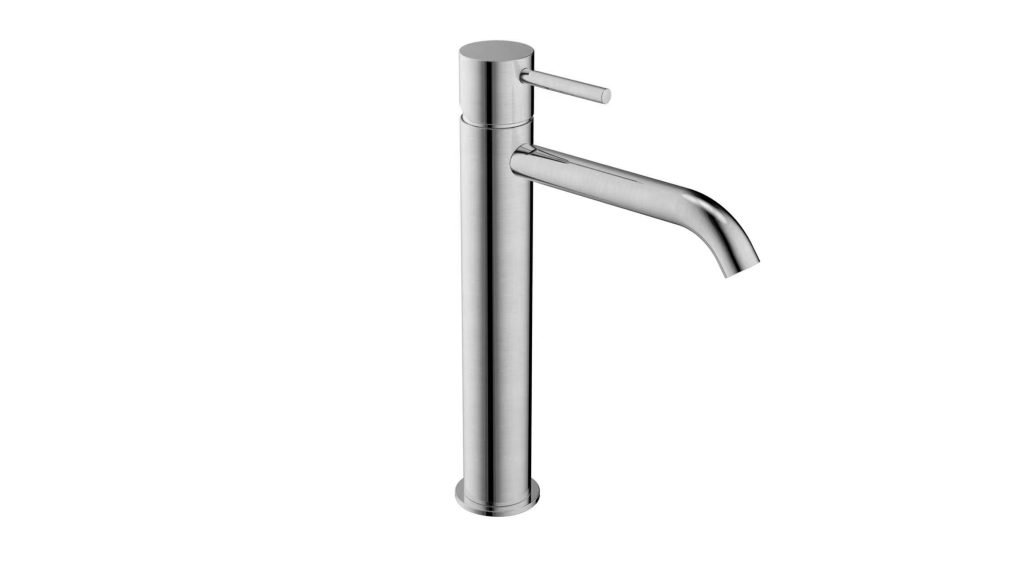
“Lead-free” is printed on many faucet boxes and quotations, but it does not mean the same thing everywhere. In some markets it is a legal limit with third-party certification behind it; in others it is a sales phrase. For an importer, the difference matters: a faucet that does not meet the lead rules of the destination market can be stopped at customs, rejected by a project consultant or recalled.
This guide explains why brass contains lead, what the main market rules require, which lead-free alloys are used, and how to verify a lead-free claim before you place an order.
Why brass contains lead
Brass is an alloy of copper and zinc. Traditional faucet brasses also contain a small percentage of lead, which collects in tiny particles and makes the metal much easier to cut. Threads, cartridge seats and sealing faces machine faster and more cleanly, tools last longer, and castings are easier to make sound. That is why leaded brass became the standard for faucet bodies worldwide.
The concern is that lead can dissolve into water that sits in the faucet, particularly from machined surfaces in contact with the water. Regulators have therefore set limits on lead in materials and on how much lead may leach into drinking water.
What the main markets require
| Market | Rule | How it is shown |
|---|---|---|
| United States | Federal law limits wetted surfaces to a weighted average of 0.25% lead | Certification to NSF/ANSI/CAN 372, usually together with NSF/ANSI/CAN 61 for leaching |
| Canada | Lead content and leaching requirements through plumbing codes | Certification to the same NSF/ANSI/CAN standards, often with CSA B125.1 |
| European Union | Materials in contact with drinking water are being harmonised under the recast Drinking Water Directive, with approved material lists | National approvals and, as the EU rules apply, conformity with the EU lists |
| Australia | Lead limits for plumbing products in contact with drinking water | WaterMark certification |
| Gulf and other markets | Requirements vary by country and by project | National conformity schemes and project specifications |
The rules change, and the details depend on the product type. The certification by market reference covers the schemes in more detail; always confirm the current requirement for the destination country before sampling.
Lead-free brass alloys
Lead-free brasses replace lead with other elements that make the metal machinable:
- Silicon brass – copper, zinc and silicon. It casts and machines well, has good corrosion resistance and is widely used for lead-free faucet bodies.
- Bismuth brass – bismuth takes the place of lead to help machining. It is used for both cast and machined parts.
- Low-lead brasses – with lead reduced to a level that meets certain limits. These may be accepted in some markets but not where a strict limit such as the US 0.25% weighted average applies.
Lead-free alloys cost more than standard brass, machine more slowly and need their own scrap handling. A factory that melts leaded and lead-free brass must keep them separate, because mixed scrap raises the lead content of the next melt. This is one of the main reasons why a “lead-free” claim needs to be checked rather than assumed.
A lead-free faucet usually costs more than its leaded equivalent. A quotation that offers lead-free at the same price as standard brass deserves a closer look at the alloy and the test reports.
Alternatives to lead-free brass
- Stainless steel bodies contain no lead at all, which is one reason stainless steel kitchen faucets are popular in markets with strict lead rules. See brass vs stainless steel vs zinc.
- Separate waterways – some designs carry the water through a lead-free tube or insert, so the outer body does not touch the water.
- Surface treatments – some factories treat the internal surfaces of leaded brass to reduce lead leaching. This can help with leaching tests but does not change the lead content of the alloy, so it may not satisfy content-based rules.
How to verify a lead-free claim
- Certificates and listings. For certified products, ask for the certificate number and check the model on the certification body’s public listing. Certificates cover specific models and configurations.
- Material reports. Ask for the composition report of the alloy, ideally per production batch, showing the lead content.
- XRF testing. A handheld XRF analyser reads the alloy composition in seconds, including lead. Test samples and a selection of production units during pre-shipment inspection.
- Laboratory testing. For new suppliers or large orders, an independent leaching test on production units gives the strongest evidence.
- All wetted parts. The body is not the only part in contact with water. Cartridge housings, connectors, aerators and flexible hoses also count.
What to put in your specification
- destination market and the lead rule that applies;
- body alloy, for example silicon brass, bismuth brass or 304 stainless steel;
- certification required and the certificate or listing number;
- which parts must meet the lead requirement, including hoses and cartridges;
- material reports per batch and XRF checks during inspection;
- marking on the product or box, where the market requires it.
Lead requirements affect the price, so state them at the start – the faucet RFQ guide shows where they belong. For DACHENG faucets and shower systems, body material and lead requirements are confirmed model by model with the quotation; include the destination market and any certification needed when you send an inquiry.