Sourcing guide
Faucet Certification by Market: A Quick Reference for Importers
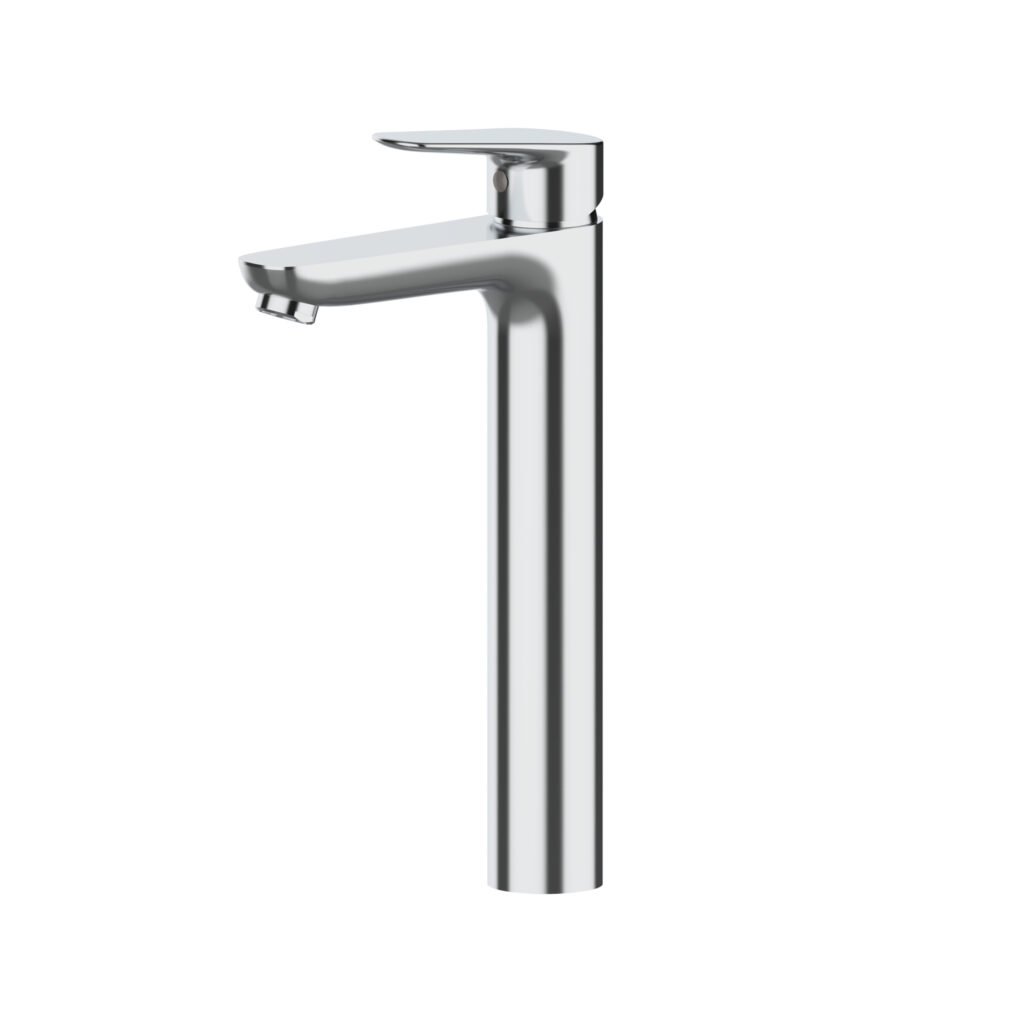
A faucet that is perfectly legal to sell in one country can be unsellable in the next. Drinking-water fittings are regulated by the market where they are installed, not by the country where they are made, and the requirements decide the brass alloy, the cartridge, the flow rate and sometimes the packaging. Settling certification before you approve samples saves you from re-sampling – or from a container that cannot be cleared.
This reference summarises the main requirements in the markets importers ask about most often. Regulations change, so use it to ask the right questions, and confirm the current rules with your certifier or customs broker before you order.
Quick reference
| Market | Performance standard | Drinking water / health | Water efficiency |
|---|---|---|---|
| United States | ASME A112.18.1/CSA B125.1 | NSF/ANSI/CAN 61 and 372 (lead content) | Federal flow limits; WaterSense (voluntary); stricter state rules such as California |
| Canada | ASME A112.18.1/CSA B125.1 | NSF/ANSI/CAN 61 and 372 | Provincial and municipal rules |
| European Union | EN 817, EN 200, EN 1111 and related EN standards | National approvals, e.g. ACS (France), DVGW (Germany), KIWA (Netherlands) | Voluntary labels; some national rules |
| United Kingdom | BS EN standards | WRAS or another approved scheme under the Water Fittings Regulations | Voluntary labels |
| Australia | AS/NZS 3718 (tap ware) | WaterMark certification, including AS/NZS 4020 | WELS rating and registration (mandatory) |
| New Zealand | AS/NZS 3718 | WaterMark widely accepted | Water-efficiency labelling for taps and showers |
| Saudi Arabia | Applicable SASO technical regulations | Conformity through the SABER platform | Water-efficiency requirements for many fittings |
United States and Canada
Faucets sold through North American retail and installed under the plumbing codes are expected to be certified to ASME A112.18.1/CSA B125.1, which covers performance such as pressure, durability and backflow protection. Drinking-water products must also meet NSF/ANSI/CAN 61 (health effects of materials in contact with water) and NSF/ANSI/CAN 372 (lead content). Since 2014, US federal law limits wetted surfaces of pipes, fittings and fixtures to a weighted average of 0.25% lead, which in practice means lead-free brass alloys.
Certification is issued by accredited bodies such as IAPMO, CSA and NSF; the cUPC mark from IAPMO is one of the most common on imported faucets. Shower valves additionally need scald protection under ASSE 1016/ASME A112.1016/CSA B125.16.
Flow rate is regulated as well. Federal limits apply nationwide, the EPA’s WaterSense label sets stricter voluntary limits, and several states – most notably California – set mandatory limits lower than the federal ones for lavatory faucets, kitchen faucets and showerheads. If you sell into California, design for the California limits from the start.
European Union
There is currently no single EU-wide approval mark for taps. In practice, buyers ask for two things:
- Performance to EN standards – EN 817 for mechanical mixing valves, EN 200 for single taps and combination taps, EN 1111 for thermostatic mixers, EN 246 for flow regulators (aerators), EN 1112 and EN 1113 for shower outlets and hoses, and EN 248 for nickel-chrome coatings. These standards also classify taps by flow rate and noise.
- Drinking-water approval in the destination country – for example ACS in France, DVGW certification in Germany and KIWA in the Netherlands. Each country has its own scheme and testing time.
The recast EU Drinking Water Directive introduces common hygiene requirements and approved material lists for products in contact with drinking water, which are being phased in from the end of 2026. If you sell in the EU, ask your supplier whether their brass and other wetted materials appear on the approved lists.
United Kingdom
In England and Wales, fittings must comply with the Water Supply (Water Fittings) Regulations 1999, and Scotland and Northern Ireland have equivalent rules. WRAS approval is the most widely recognised way to show compliance, and many installers, merchants and specifiers expect to see it. Other approved certification schemes exist, but check that your customers accept them before relying on one.
Australia and New Zealand
In Australia, plumbing products must carry WaterMark certification to be installed legally. For taps the relevant product standard is AS/NZS 3718, and materials in contact with drinking water must meet AS/NZS 4020. In addition, taps and showers must be registered and labelled under the WELS scheme with a star rating for water efficiency. New Zealand generally accepts WaterMark-certified products and also has water-efficiency labelling requirements for taps and showers.
Saudi Arabia and the Gulf
Saudi Arabia controls product conformity through SASO’s SABER platform. Regulated products need a product certificate of conformity, and each shipment needs a shipment certificate before customs clearance. Saudi Arabia also applies water-efficiency requirements to many sanitary fittings. Other Gulf countries run their own schemes – in the UAE, for example, federal and emirate-level requirements can both apply – so confirm the requirements for each destination separately.
How to verify a certificate
Certificates belong to a specific model and a specific manufacturing site. A certificate for a similar-looking model, or for another factory, does not cover your product.
- Ask for the certificate number, the listed model numbers and the name and address of the manufacturing site.
- Check the listing in the certifier’s public database – IAPMO, NSF, WRAS, the WaterMark register and the WELS database are all searchable online.
- Check that the finishes, flow rates and configurations you are ordering are covered by the listing.
- If you are using your own brand, ask how the listing will show your brand name and whether a separate listing is needed.
When the model is not certified yet
Many good factories hold certification only for the models their existing customers asked for. If the model you want is not certified for your market, discuss before ordering:
- whether the model can be certified without design changes – especially the alloy, the cartridge and the aerator;
- who pays for testing and listing, and who owns the certificate;
- how long testing and listing take, and whether you can place the order in parallel;
- whether the certificate will be used for other customers.
For the full sourcing process, from specification to shipping, see How to Source Faucets from China. When you contact DACHENG, include your destination market and the certification your customers require, and the export team will confirm the status for each model you are interested in through the quotation form.